
As your accreditation survey approaches, it is important that all staff understand not only the standards and processes being evaluated, but also the professional etiquette that contributes to a successful survey experience. Surveyors are assessing compliance with standards, organizational culture, and our commitment to safe, high-quality patient care. Every interaction provides an opportunity to demonstrate our dedication to excellence.
Survey Etiquette: Creating a Positive and Successful Survey Experience
Preparing for Success During Your Accreditation Survey
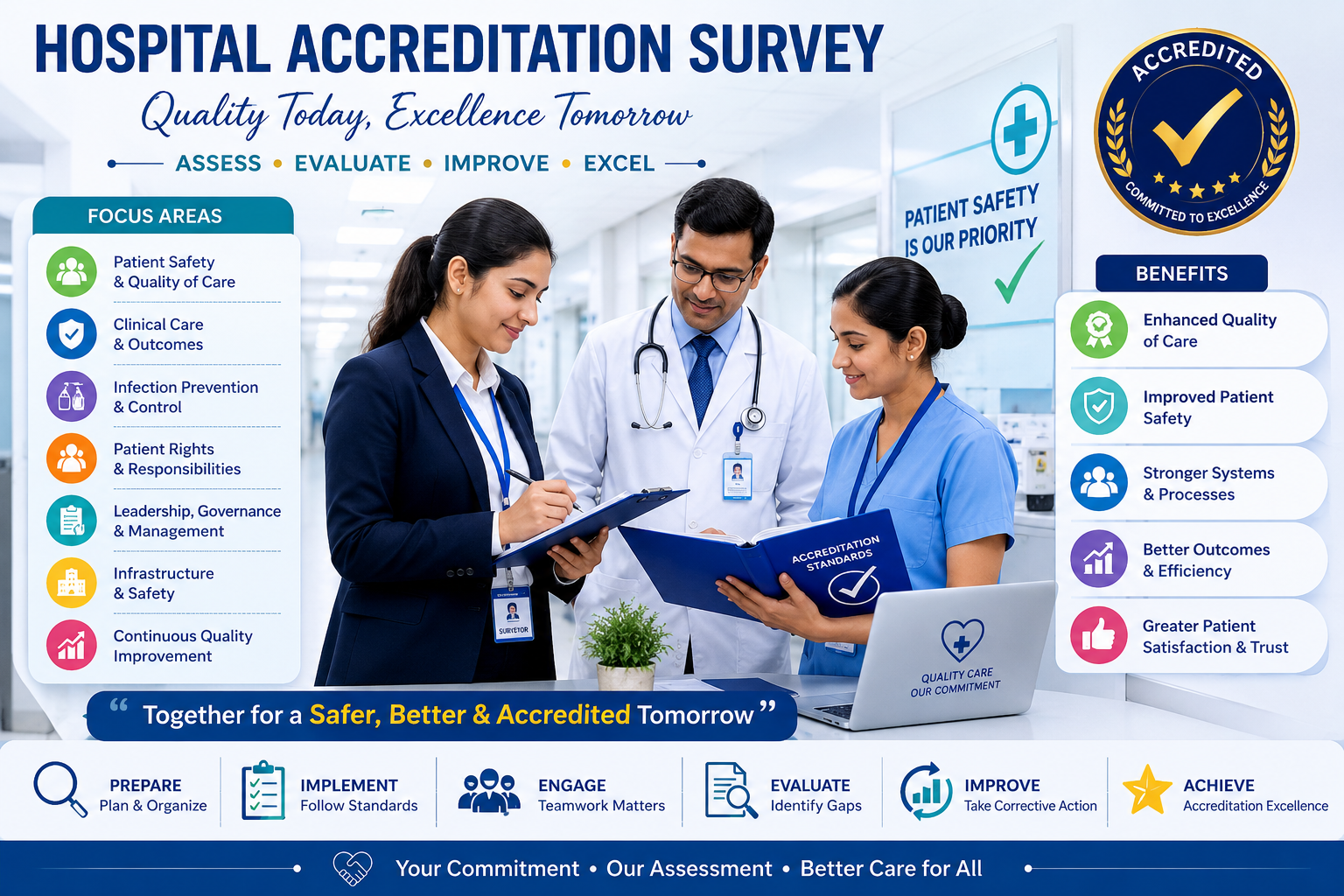
First Impressions Matter
Surveyors often form impressions within the first few hours of arriving onsite. All staff should:
- Greet surveyors professionally and courteously.
- Wear required identification badges.
- Maintain a positive, respectful attitude.
- Be prepared to assist surveyors in locating departments, documents, or personnel.
- Continue normal operations while remaining responsive to survey requests.
Remember, surveyors are partners in quality improvement and are not present to "catch" staff making mistakes.
Communicate Clearly and Honestly
When answering surveyor questions:
- Listen carefully to the entire question before responding.
- Answer only the question that is asked.
- Speak confidently and truthfully.
- If you do not know an answer, state that honestly and offer to locate the appropriate resource or individual.
- Avoid guessing or providing inaccurate information.
Examples:
- "Let me verify that information to ensure I provide the correct answer."
- "I am not the best person to answer that question, but I can connect you with the appropriate staff member."
Demonstrate What You Do Every Day
Surveyors want to understand routine practices, not special procedures created for the survey.
Be prepared to discuss:
- Your role and responsibilities.
- How you ensure patient safety.
- How you report concerns or incidents.
- Emergency procedures relevant to your department and facility.
- Infection prevention and control practices.
- Quality improvement activities.
The best approach is to describe and demonstrate what you do consistently every day.
During Patient Tracers
Surveyors frequently use patient tracers to evaluate care processes across departments.
Staff should:
- Follow established confidentiality requirements.
- Explain care processes clearly.
- Demonstrate how information is communicated among team members.
- Show documentation when requested.
- Highlight patient-centered practices.
Focus on how your team collaborates to provide safe, effective care.
Documentation Etiquette
When presenting records or documents:
- Documents should be complete and current.
- Provide only requested information.
- Do not alter, backdate, or modifying documentation.
- Know where policies and procedures are located.
- Be prepared to explain how policies are implemented in practice.
Surveyors often compare documentation with observed practices to verify consistency.
Professional Conduct Throughout the Survey
Maintain professionalism by:
- Remaining calm and composed.
- Avoiding defensive responses.
- Treating surveyors with respect at all times.
- Refraining from speculation or criticism of colleagues.
- Continuing to prioritize patient care and safety.
Positive interactions help create an atmosphere of collaboration and trust.
Common Survey Questions to Expect
Surveyors may ask:
- How do you identify patients correctly?
- What is your role in preventing infections?
- How do you report safety concerns?
- What would you do during a fire or emergency?
- How do you access organizational policies?
- How do you communicate critical information to providers?
Review department-specific procedures and be prepared to explain your role confidently.
Key Reminders
- Be professional and courteous.
- Answer honestly and accurately.
- Demonstrate routine practices.
- Focus on patient safety and quality care.
- Ask for assistance if needed.
- Remember that surveyors are evaluating systems and processes—not looking for perfection.
Summary
Accreditation surveys provide an opportunity to showcase the exceptional care and services that you provide every day. By remaining prepared, professional, and focused on patient-centered care, you can demonstrate your organization's commitment to quality, safety, and continuous improvement.

As National Preparedness Month arrives every September, healthcare compliance and facility leaders face a dual priority: maintaining operational readiness for unexpected disruptions while preparing for annual survey requirements.
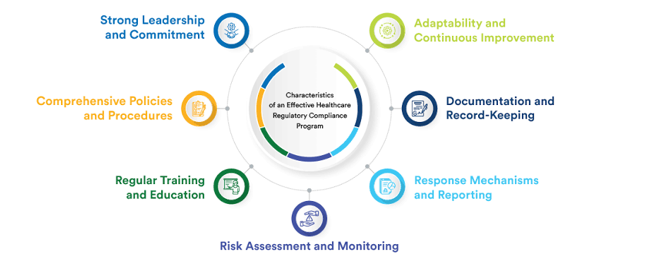
Important Regulatory Update: New CMS Limits on Accrediting Organizations & Your Compliance Strategy

OSHA's General Duty Clause and Ergonomic Risks Under Section 5(a)(1) of the Occupational Safety and Health Act (the General Duty Clause), healthcare employers are legally required to provide a work environment free from recognized hazards that cause or are likely to cause death or serious physical harm. Manual patient lifting, transferring, and repositioning represent significant ergonomic hazards. OSHA actively inspects healthcare systems for musculoskeletal disorders (MSDs) and mandates that hospitals implement engineered control solutions, such as ceiling lifts, sit-to-stand devices, and friction-reducing slide sheets.