Year in Review: Compliance, Quality, and the Path Forward
Compliance, Quality, and the Path Forward

The close of the fiscal year is a critical time for every healthcare facility. It's not just about balancing the books; it's about a mandatory, comprehensive evaluation of our performance, policies, and risks to ensure continued compliance with the Centers for Medicare & Medicaid Services (CMS), HHS (Health and Human Services), and state regulations.
The core of this evaluation lies in the Quality Assessment and Performance Improvement (QAPI) program (a CMS requirement for hospitals and long-term care facilities) and the annual Facility Assessment (especially for nursing homes). This detailed look back sets the stage for a safer, more effective next year.
1. Evaluating the Past Year: Achievements and Deficits
A successful end-of-year review requires an honest, data-driven look at the results of your previous goals. This process is not about assigning blame but about system-level analysis to drive continuous improvement.
Goals, Policies, and Performance
- Reviewing QAPI Projects (PIPs):
- Positive Results: Did your Performance Improvement Projects (PIPs)—focused on high-risk areas like readmission rates, infection control (HAI/CAUTI/CLABSI), or fall reduction—meet their measurable targets? If yes, the successful system changes that led to improvement should be standardized and sustained.
- Negative Results: If targets were missed, you must analyze the root causes. Was the policy flawed? Was the training insufficient? Was data collection inaccurate? The QAPI process mandates that facilities not just report failures, but act on them and track performance to ensure improvements are sustained.
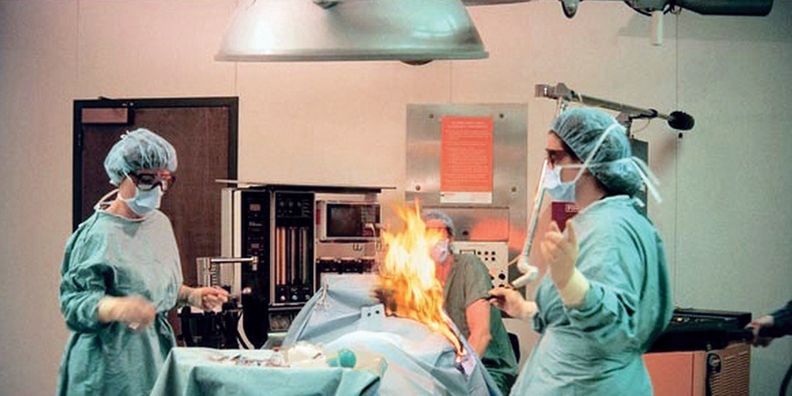
- Adverse Events and Medical Errors: Review all tracked medical errors and adverse patient events. This mandatory analysis must identify their causes and implement preventive actions across the entire hospital system, ensuring feedback and learning occurs at all staff levels.
Regulatory Compliance and Concerns
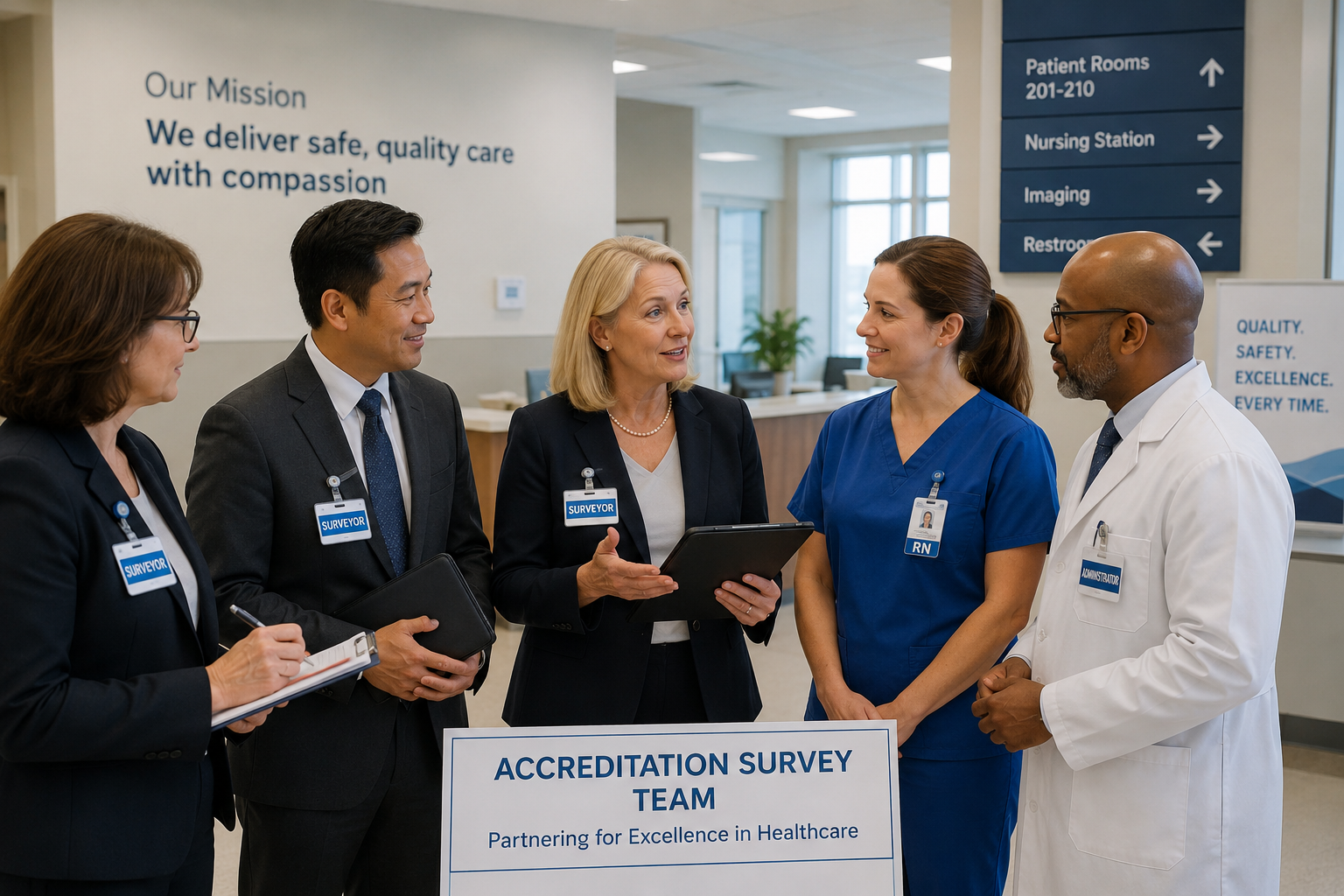
- Survey Findings: Analyze the results of all CMS and state surveys. Any citation, particularly those categorized as systemic, high-risk, or problem-prone, must become a priority for immediate correction and a focus area for the next year’s QAPI projects.
- Data Utilization: Verify that the data collected for required Medicare Quality Reporting Programs (e.g., Hospital Readmission Reduction Program, VBP) is being actively used by the QAPI committee to monitor the effectiveness and safety of services.
2. Mandatory Risk Assessment & Next Year’s Planning
The year-end review culminates in updating the Facility Assessment and establishing new goals that are data-informed, measurable, and aligned with federal and state priorities.
Focus Area
Current Mandate/Guidance (CMS/HHS)
Next Year's Goal Examples (SMART)
Risk Assessment
The assessment must identify facility- and community-risk factors (e.g., natural disasters, infectious disease threats, or local healthcare access issues) and inform staffing decisions based on the patient population's unique needs ().
Goal: By Q3, implement a new EHR module for ligature risk assessment for all admitted mental health patients, resulting in a 100% completion rate upon admission.
Infection Control
Facilities must develop and maintain a robust Antibiotic Stewardship Program in addition to the Infection Prevention and Control Program ().
Goal: Reduce the facility's \text{C. diff} infection rate (a Hospital-Acquired Condition) by compared to the previous year's baseline by implementing a new environmental cleaning protocol.
Quality/QAPI
Priorities must focus on high-risk, high-volume, or problem-prone areas that affect health outcomes and patient safety.
Goal: Decrease the -day readmission rate for patients with Chronic Obstructive Pulmonary Disease (COPD) by by implementing a telehealth-supported post-discharge follow-up program.
Health Equity
Future-looking CMS strategy emphasizes moving all Medicare beneficiaries into accountable care relationships to improve equitable outcomes and lower costs. New models prioritize prevention and data transparency.
Goal: Analyze quality outcome data by patient race/ethnicity to identify a disparity, and reduce the time to follow-up appointment for a high-risk subpopulation by hours next year.
3. Achieving Sustainable Improvement
Moving into the next year, the leadership team must ensure:
- Prioritization: Improvement activities must be prioritized based on the severity and prevalence of the problem identified in the annual review.
- Resources: Sufficient resources (time, money, and trained personnel) are dedicated to the new performance improvement projects.
- Culture: Foster a culture of safety where staff feel empowered to report quality concerns without fear of retaliation, allowing the QAPI program to be truly effective.
A rigorous, data-driven end-of-year evaluation ensures not just compliance, but genuine, sustainable improvement in patient care—the ultimate goal for every healthcare provider.