Elevate Your Practice: The Lasting Value of Healthcare Conferences
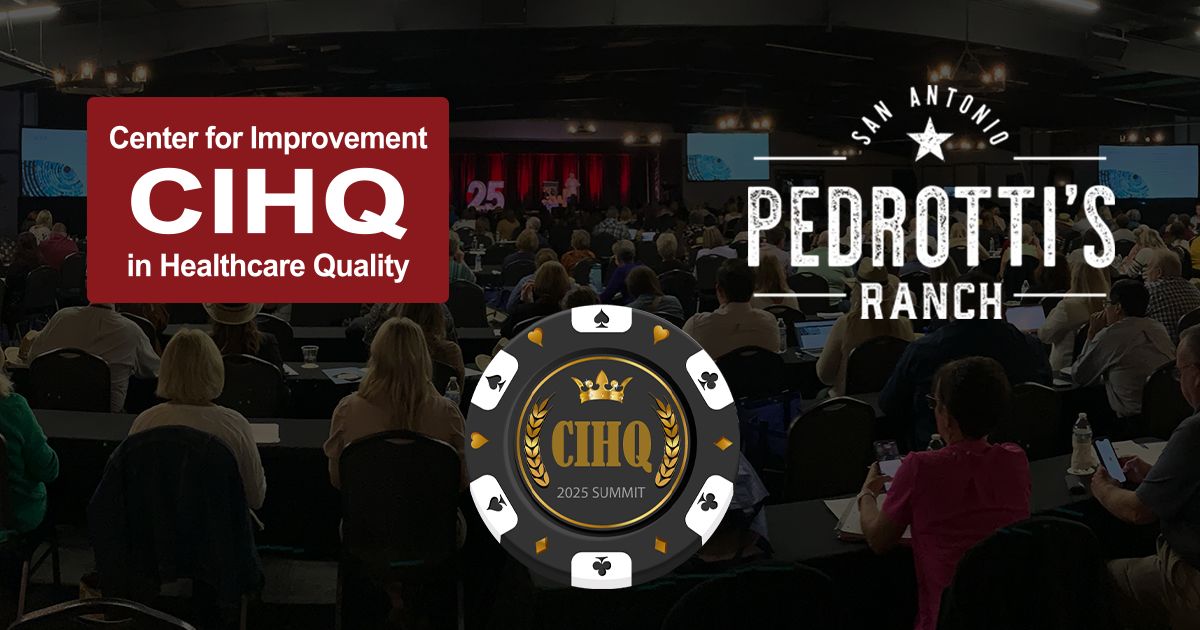
In the dynamic world of medicine, staying current isn't just an advantage - it's a professional necessity. Healthcare conferences and summits, such as CIHQ’s 2025 Accreditation & Regulatory Summit (Oct 21-23) offer a potent blend of education, networking, and rejuvenation that can reshape your career and improve patient care. For any professional questioning the time and investment, here's why attending these events is essential for your long-term success.
1. Stay Ahead of the Curve with Continuing Education
Healthcare conferences provide a direct line to the latest research, treatment protocols, and medical technologies. Instead of relying solely on journal articles, you can participate in hands-on workshops, case-based discussions, and live demonstrations under expert guidance. Many conferences also offer Continuing Medical Education (CME) credits, helping you fulfill licensing requirements while expanding your knowledge. This immersive learning helps you deepen your understanding and apply innovative techniques that directly impact patient outcomes.
2. Expand Your Network and Foster Collaboration
Conferences are a hub for connecting with peers, mentors, and thought leaders from various healthcare sectors. Face-to-face networking during breaks, meals, and social events is more impactful than virtual interactions and can lead to fruitful collaborations and research partnerships. For solo practitioners or those in underserved areas, this is an invaluable opportunity to share clinical challenges, exchange insights, and build a supportive community.
3. Explore Career Opportunities and Industry Innovation
From startup showcases to exhibit halls filled with the latest medical devices and EMR platforms, conferences offer a comprehensive view of the industry's future. This exposure helps you:
- Assess new technologies for your practice.
- Engage directly with vendors and product experts.
- Connect with recruiters and potential employers.
Regular attendance demonstrates your commitment to professional growth and keeps you at the forefront of innovation.
4. Combat Burnout and Reignite Your Passion
Healthcare is a demanding field, and burnout is a very real threat. Conferences offer a refreshing break from the daily routine and a chance for self-reflection and rejuvenation. The energy and inspiration from thought-provoking keynote speeches and success stories can reignite your passion for your work. Engaging with colleagues who share a similar dedication to healthcare can provide a renewed sense of purpose and motivation.
5. Gain Inspiration and New Perspectives
Stepping out of your everyday environment and into a new space can spark creativity and new ideas. Attending sessions on diverse topics—from leadership strategies to patient equity and digital health—can challenge conventional thinking and provide new perspectives. By listening to how others are solving problems, you can gain insights and tactics to implement in your own practice.

Ready to Make Your Next Move?
Investing in your professional development is an investment in your career, your practice, and most importantly, your patients. If you're a healthcare professional seeking to expand your knowledge, grow your network, or find new inspiration, it’s time to explore the many opportunities that conferences and summits offer, like CIHQ’s annual Regulatory Summit.
See you at a Conference! And please, stop by our booth. We would love to chat!
As always, HCE Global customizes our services to fit the needs of each individual client or system. We pride ourselves on helping our clients achieve & maintain a status of excellence in the healthcare industry. We will work with you to prioritize your most immediate training needs. If you need of program/policy/procedure development, mock surveys, training, corrective action plan assistance, construction or remodel assistance, or ongoing routine support services, we can help!
See you at a Conference! And please, stop by our booth. We would love to chat
Be sure to browse Our Website for a full list of services we provide.
Contact us today at (800) 813-7117 to schedule a free consultation.