Considerations for Using Biological Implants in Surgery
Considerations for Using Biological Implants in Surgery
There is no shortage of biological implant products on the market today. In fact, more than 20,000 products to date have been approved for marketing by the Food and Drug Administration (FDA). Although many of these products are highly regarded by surgeons and product manufacturers, it is important to understand the potential risks associated with biological implants.
We have chosen to discuss this topic in our newsletter as it has been our observation and experience that there is a lack of understanding of potential risks associated with biologics and a lack of education available to healthcare professionals.
What are Implants?
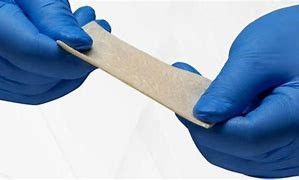
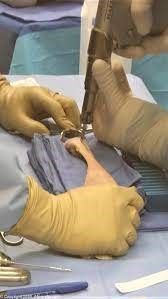
According to the FDA, “Medical tissues that are placed inside or on the surface of the body. Many implants are prosthetics, intended to replace missing body parts. Some implants are made from skin, bone or other body tissues.” (FDA, 2019).
Some of the major risks associated with the use of biological implants include infection, risk of rejection, and biocompatibility.
Additional considerations for product usage should be made from a cost-analysis perspective. Although a product may be registered for marketing by the FDA, it is not uncommon for insurance payors to reject claims where biological implants were used. Be sure that prior authorizations include the use biological implants in surgical cases to avoid non-payment from insurance payors.
When dealing with human tissue products, it is essential to make sure that the integrity of the product is maintained prior to implantation. How the product is maintained and transported should be carefully monitored.
Here are a few considerations for policy and procedure development:
- Process for ensuring a product is registered with the FDA
- The product is not manipulated and is maintained in its original sterile packaging
- Temperature and humidity requirements are maintained according to manufacturer instructions
- The product is not expired
- Patient is fully informed about biological implant and has signed informed consent
- A method of tracking is established for all biological and well as medical implants.
- Create a log that includes product information and serial numbers
- Documentation of biological implant is included in the patients medical record
- Healthcare personnel have been educated on “gate-keeping’ strategies prior to biologic implants entering the operating room
In our experience, we have found that it is not uncommon for hospitals and ambulatory surgeries centers to not have policies and procedures in place for regulating the use of biological implants in surgical procedures. It is also not uncommon for Manufacturer Product Representatives to show up with products on the day of surgery wherein it is unclear how and in what condition the product has been transported. Additional observations have included that OR team members were completely unaware that a biologic was even planned to be used in a scheduled procedure.
We would like to emphasize that our intention for writing this article is not to take a position in favor or against the use of biological implants, but to help healthcare professionals have a better understanding of these products and encourage the development of policies and procedure that promote patient safety and help to mitigate risk.
This topic is one that we have done extensive research on. Subsequently, we have determined that there is a significant lack of guidance and educational material to help guide healthcare professional to manage use of biological implants in a safe and compliant manner.
If you find that your organization needs additional support, please contact us for assistance. We can provide education and assist with risk mitigation and policy/procedure development.
HCE Global is Here to Help
Our HCE Global experts understand the challenge that healthcare facilities are facing today. We are here to help. Using a customizable approach, we will help you navigate through even the toughest of challenges. We pride ourselves on helping our clients achieve and maintain a status of excellence in the healthcare industry.
Be sure to browse Our Website for a full list of services we provide.
Contact us today at (800) 813-7117 to schedule a free consultation.