In Need of Skilled Healthcare Support Staff Now? HCE Global can Help!

In Need of Skilled Healthcare Support Staff Now? HCE Global can Help!

The healthcare industry today seems to be in a never-ending state of flux. High turnover rates and burnout are a very real concern for healthcare organizations. It is more difficult than ever to recruit experienced healthcare professionals let alone retain them. With enrollment in Nursing degree programs at an all time low, healthcare facilities find themselves competing to recruit and retain experienced nurses. 
  • HCE Global

    Button
Business meeting in a conference room with people looking at laptops.

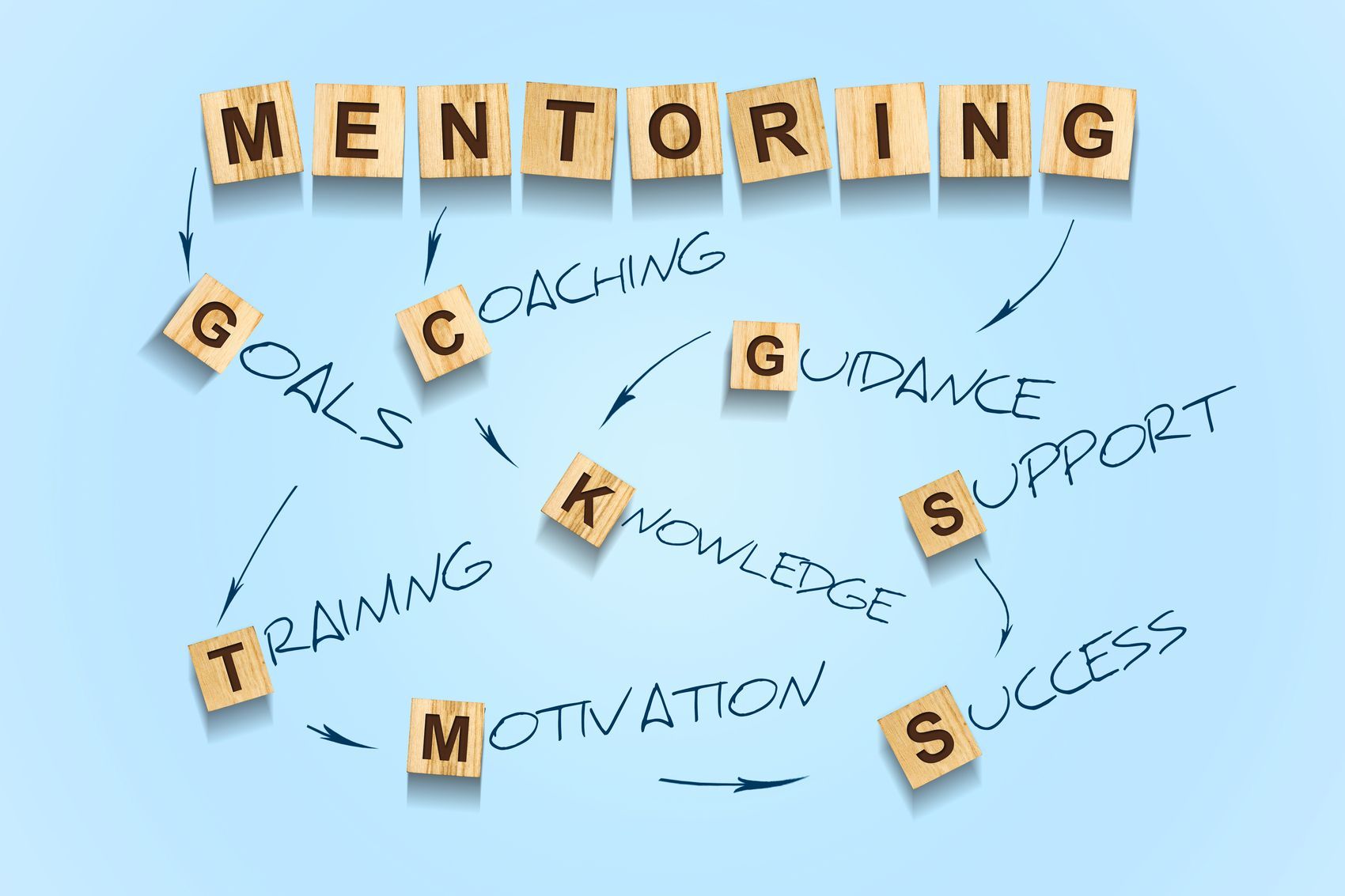
At HCE Global, we understand the frustration this is causing administrators and leaders. This has lead, as we know, to many professionals wanting to leave the healthcare profession for good. We have decided to take a stand to help our weary colleagues work through these challenging times. We have developed comprehensive training programs that provide one-on-one remote as well as on-site training and mentorship opportunities. Our comprehensive training programs will help you to develop your diamonds in the rough into future leaders, reducing stress levels and burnout while improving job satisfaction.

We recognize that healthcare organizations do not in many cases have the personnel or resources to provide comprehensive training programs necessary to meet regulatory requirements for critical healthcare programs. If you are in need of Environment of Care, Life Safety, Infection Prevention, Quality Assurance, Case Management or Utilization Review Managers, we’ve got you covered! We also provide leadership training for healthcare executives. 


As always, HCE Global customizes our services to fit the needs of each individual client or system. We pride ourselves on helping our clients achieve & maintain a status of excellence in the healthcare industry. We will work with you to prioritize your most immediate training needs. Whether you are in need of program/policy/procedure development, mock surveys, training, corrective action plan assistance, construction or remodel assistance, or ongoing routine support services, we can help!


Be sure to browse Our Website for a full list of services we provide.

Contact us today at (800) 813-7117  to schedule a free consultation.


References: 

https://www.mercy.edu/academics/programs/nursing-education

https://www.pathlms.com/innsofcourt/courses/21083/sections/22983/links/17699


Woman looking stressed at a table with coworkers in an office setting, some pointing and gesturing.
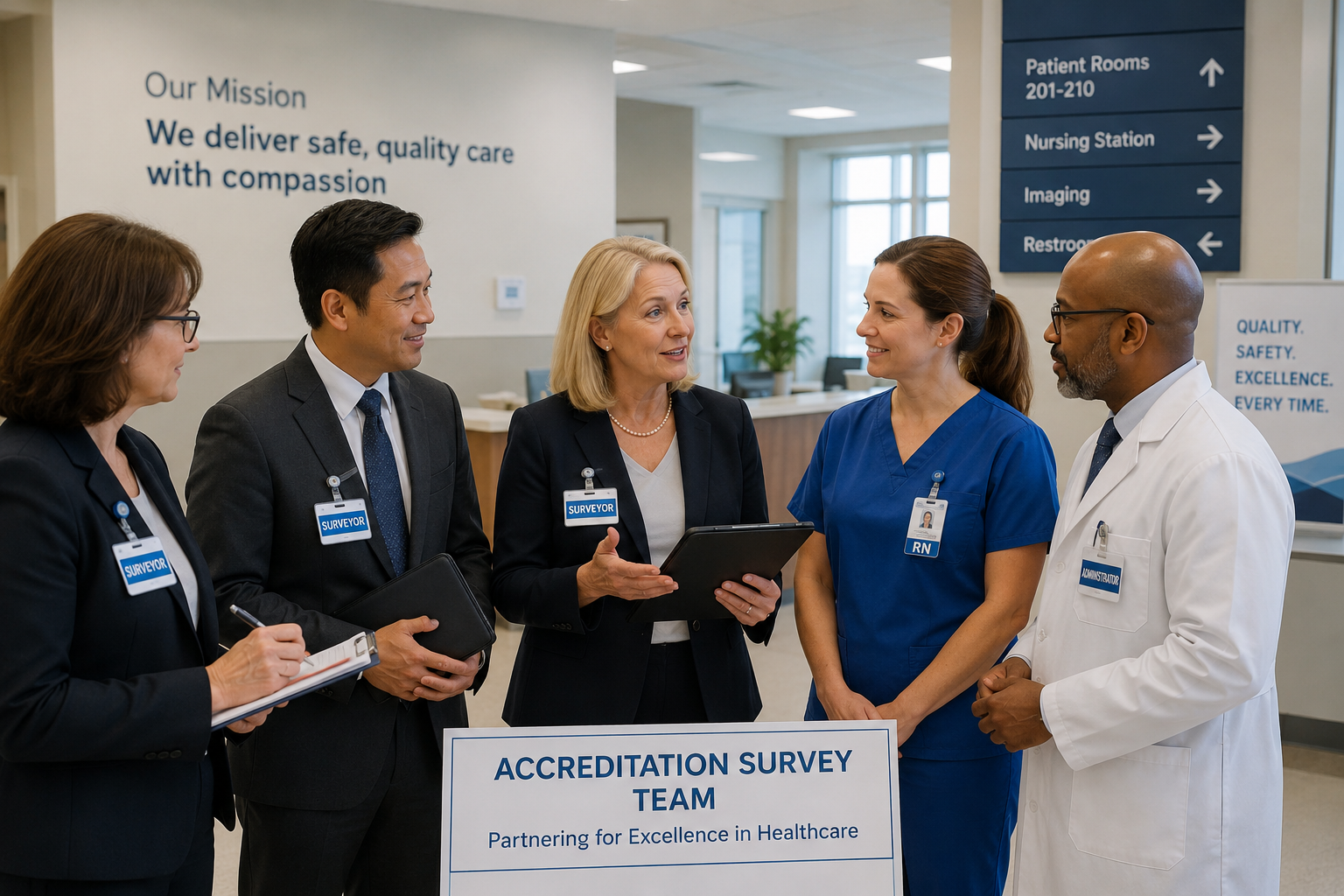
Hospital staff holding tablets during an accreditation survey team visit in a hallway
By Kim . July 1, 2026
As your accreditation survey approaches, it is important that all staff understand not only the standards and processes being evaluated, but also the professional etiquette that contributes to a successful survey experience.
Woman sitting at a desk, holding her shoulder while working on a laptop in a bright room.
June 4, 2026
OSHA's General Duty Clause and Ergonomic Risks Under Section 5(a)(1) of the Occupational Safety and Health Act (the General Duty Clause), healthcare employers are legally required to provide a work environment free from recognized hazards that cause or are likely to cause death or serious physical harm. Manual patient lifting, transferring, and repositioning represent significant ergonomic hazards. OSHA actively inspects healthcare systems for musculoskeletal disorders (MSDs) and mandates that hospitals implement engineered control solutions, such as ceiling lifts, sit-to-stand devices, and friction-reducing slide sheets.
May 5, 2026
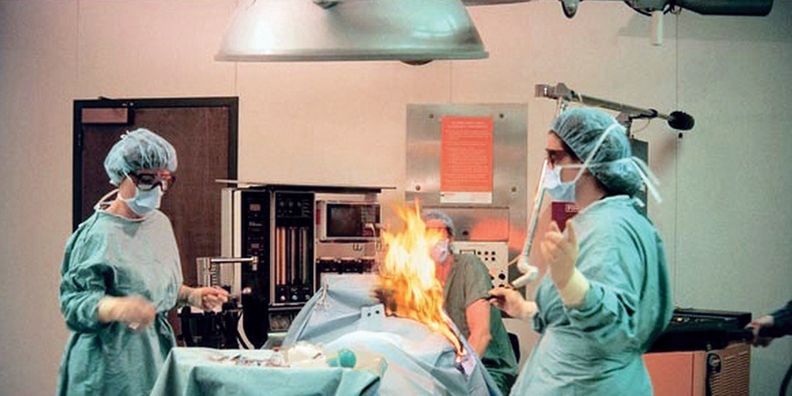
The Technical Baseline: NFPA 99 Health Care Facilities Code NFPA 99 (2012 Edition, as mandated by CMS) establishes risk-based categories for electrical and gas systems based on the risk to patients. Category 1 spaces are those where procedures are performed that could result in major injury or death if utility systems fail. Under Chapter 6 (Electrical Systems), facilities must maintain isolated power systems (IPS) and line isolation monitors (LIM) in wet procedure locations to protect patients against electrical shock.  Survey Vulnerabilities: CIHQ and Joint Commission Directives During surveys, both TJC and CIHQ closely inspect the testing logs for these specialized electrical environments. TJC Standard EC.02.05.01 requires facilities to manage utility risks, specifically focusing on the routine inspection of ground- fault circuit interrupters (GFCIs) and the regular calibration of LIM alarms. CIHQ surveyors frequently evaluate surgical staff on their understanding of the LIM panel: if an alarm sounds, do clinicians know that it signifies a critical loss of electrical isolation that could cause patient harm if a second fault occurs? OSHA 29 CFR § 1910 Subpart S Alignment While NFPA 99 protects the patient, OSHA Subpart S (Electrical Safety) safeguards the clinical staff operating the machinery. Employers must ensure all electrical medical devices are free from recognized hazards. Exposed wiring, unapproved extension cords, or failing to lock out/tag out malfunctioning medical hardware violates OSHA standards and places both employees and patients at immediate risk.