Is Your Team Ready To Respond To An Imminent Disaster?
Have You Reviewed/Practiced Your Emergency Preparedness Plan Lately?
july 2022
By Jody Randall MSN, RN, CIC, HACP-CMS, HACP-PE
CEO and Founder
As a healthcare administrator you should ask yourself how confident you are that every team member knows what to do when you are faced with a true emergency of any kind. Would they know how to shelter in place? Are you confident they know evacuation routes and plans to move patients to safe locations? Would they know the difference between a tornado warning and a tornado watch if announced? Would they respond appropriately according to your organization’s written plan? Do you have teams or personnel on staff that are fully trained and prepared to respond to emergencies? With staffing shortages, high turnover rates and lack of qualified personnel throughout the industry today, we strongly encourage organizations to make emergency preparedness a top priority before a disaster actually occurs.
In the event that your organization is impacted by disaster conditions does your organization have critical supplies such as food, water, medication, medical gas and emergency power supply back up in place? Have you established an emergency call list to enlist the help of relief staffing? Are all contact phone numbers current? Do you have adequate sleeping arrangements in place for staff who may not be able to leave the facility? Are you ready to stand up a fully operational incident commend center in the wake of a true disaster? These are just a few examples of questions that should be considered when evaluating how well your organization is prepared for a true emergency.
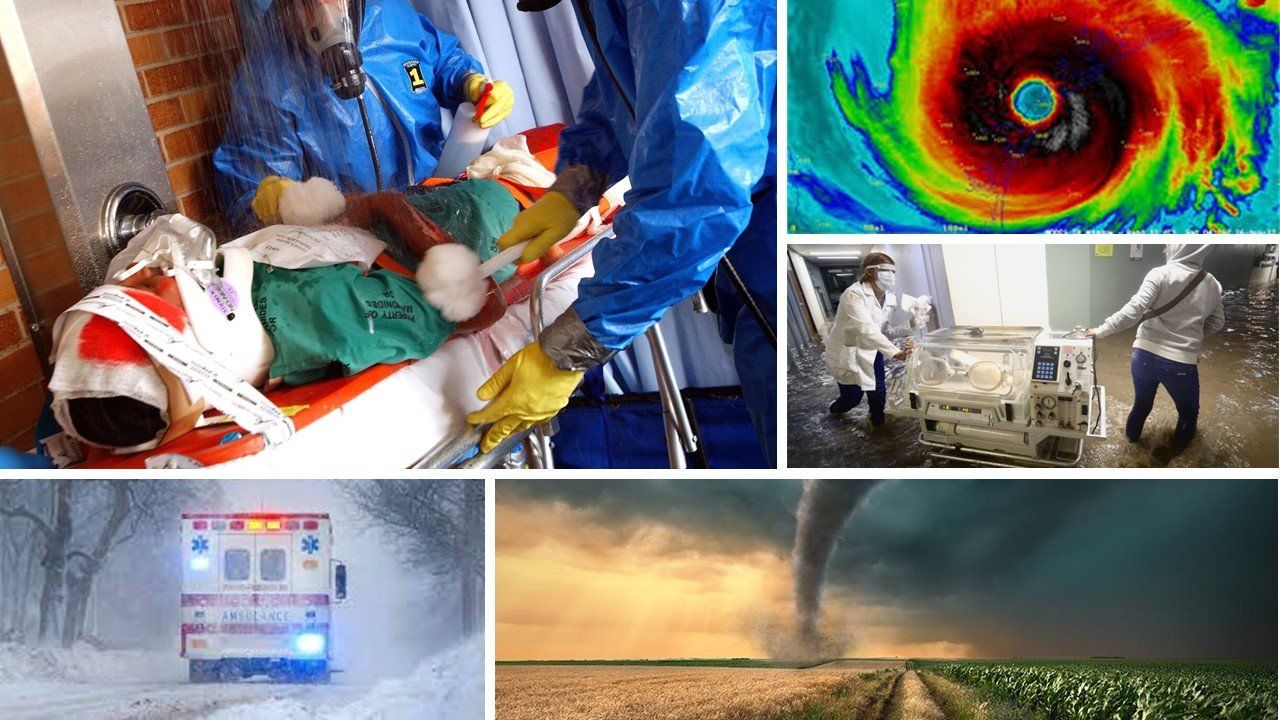
Although not all states are impacted by severe weather during hurricane season, the beginning of hurricane season 2022 is a great time to re-evaluate your facility’s emergency preparedness plan. In addition to severe weather conditions, there are a number of other ways that your organization could be faced with imminent harm. A few examples include disease outbreak, chemical spills, radiation emergencies, natural disasters, or bioterrorist attacks.
The following are a few examples of standards outlined by Centers for Medicare and Medicaid Services (CMS) that must be met in order to comply with CMS conditions of participation:
- Risk assessment
- Establish a comprehensive communication plan
- Develop emergency preparedness policies / procedures
- Ensure training-testing programs are in place
- All of these must comply with both federal and state law.
Another consideration not required but strongly encouraged that is to formulate coalition plans within your community. Working with local emergency response personnel is a great way to establish supportive relationship with trained professionals. When disasters strike it affects the community at-large; therefore, working together on tabletop strategic planning exercises at least annually is also strongly encouraged. Working with advisory committees in you region is an excellent way to assist with emergency preparedness planning. Our team has found that they have an extensive number of resources available for assisting with plan development and will even conduct onsite staff training upon request.
It is not enough to just have a written plan, however. If your facility’s emergency preparedness plan only exists on paper and is not rehearsed or well-known to staff, the outcome of the disaster you face may be a horrific tragedy.
There are a great number of resources readily available to assist healthcare providers with Emergency Preparedness Planning and training. CMS offers interpretive guidance for
Emergency Planning Conditions of Participation for Healthcare Providers
. We also encourage you to look at
Emergency Response Resources
for your individual state. The Department of Homeland Security also provides a
Comprehensive Toolkit
to assist with emergency response planning and training. The Occupational Safety and Health Administration (OHSA) provides an
Emergency Action Plan Checklist
that provides step by step planning guidance on how to develop and implement and emergency action plan for your organization. In addition, they also provide a variety of resources to help organizations determine if they are compliant with
OSHA Emergency Standards
.
Let our Healthcare Consulting Experts (HCE) assist your organization with review, revision, or development of a safe, compliant, and customized emergency preparedness plan today. We understand the work that goes into developing a plan that will truly protect your organizations team members, patients, and community when disaster strikes. Leave it to our experts to assist! Contact us today.
References
https://www.cms.gov/Regulations-and-Guidance/Guidance/Manuals/Downloads/som107ap_z_emergprep.pdf https://www.usa.gov/state-emergency-management
https://www.osha.gov/etools/evacuation-plans-procedures/eap/develop-implement/checklists
https://www.osha.gov/etools/evacuation-plans-procedures/emergency-standards
HCE is Here to Help
Healthcare Consulting Experts LLC was built based upon our understanding of the challenges that all healthcare facilities are facing today. Healthcare professionals strive to deliver the best possible care to all patients. We can help your facility through the difficult times and put you back on track to a less stressful tomorrow.
Don’t take chances! Our experts can assist with regulatory compliance requirements for whether you are building a new, state of the art project or renovating an existing structure. Be sure to visit our website at
www.healthcareconsultingexperts.com
to see a full list of the services that we provide. Contact us today at 1(800) 813-7117 for a free initial consultation.
Please join us by clicking on any of the icons below to leave a comment or for more informati
on and updates: