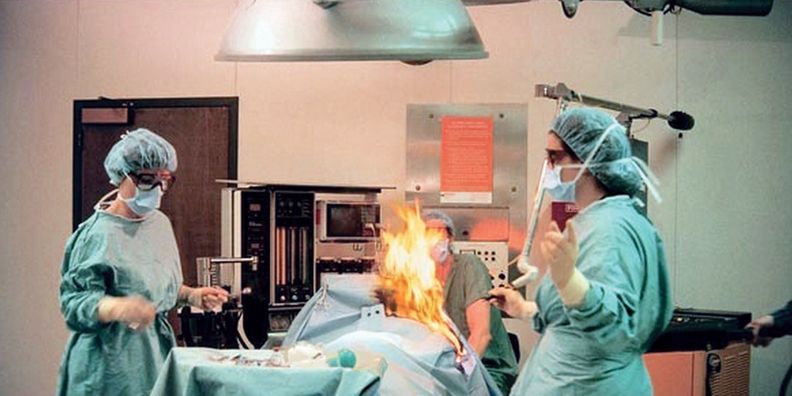

Radiologic Services: Refresher for Hospitals on CMS Conditions of Participation

When it comes to delivering radiologic and diagnostic services under The Centers for Medicare & Medicaid Services Conditions of Participation, hospitals need to have policies, procedures and safe practices in place that are centered around delivery of patient services, safety of patients and personnel, qualifications of personnel and record keeping practices. 

Hospitals should be equipped to provide radiologic or diagnostic services to meet patient needs. If a hospital is not fully equipped, or equipment is being serviced, contingency arrangements should be made in the interest of patient safety.

Protecting patients and personnel is another requirement and should also be at the forefront of any hospital’s radiation safety program. Shielding of both patients and team members is essential to minimize unnecessary exposure to harmful radiation. Furthermore, team members who are routinely exposed are required to wear dosimetry badges to monitor their level of exposure to radiation.

In addition, routine inspections of equipment should be performed to mitigate the risk of hazards associated with exposure to radiation. Additional safety measures must also include safe storage, use and disposal of radioactive materials. 

Hospitals must carefully consider the qualifications of those who provide radiology and diagnostic services while adhering to state laws and regulations. Considerations must include not only state law but also consideration for competency with regard to granting clinical privileges. It is not uncommon for hospitals to use teleradiology services to perform diagnostic image analysis remotely. If your facility utilizes these services, be sure that they are vetted through the same credentialing process as per your organization’s Medical Staff and Governing Body’s Bylaws dictate.

According to CMS conditions of participation, imaging records must be kept by hospitals for a minimum of five years. All imaging reports with diagnostic interpretations must be signed by the radiologist or practitioner who provided services to a patient. Be sure to check with your medical records department to determine the duration of time and the process for medical archiving historical medical records. 

Our experts understand the challenges that all healthcare facilities are facing today. Using a customizable approach, we will help you navigate through even the toughest of challenges.

Whether you are in need of mock surveys, leadership training, corrective action plans or ongoing routine support services, we can help! We pride ourselves on helping our clients achieve and maintain a status of excellence in the healthcare industry.

Be sure to browse Our Website for a full list of services we provide.

Contact us today at +1 (800) 813-7117 to schedule a free consultation.
AED in a white cabinet on a green tiled wall, with a heart symbol and AED signage.
February 28, 2026
February may be the shortest month of the year, but in the world of healthcare facilities and regulatory oversight, it often feels like the longest. Between the launch of the Joint Commission’s Accreditation 360 and the sudden shifting of federal staffing mandates, your compliance "To-Do" list likely looks more like a "To-Don't-Panic" list. Below is your breakdown of the critical updates, deadlines, and strategic shifts defining February 2026. Regulatory Roundup: The "Great Repeal" of 2026 The most significant news hitting desks this month is the formal pivot in Long-Term Care (LTC) staffing. CMS Staffing Mandate Repealed : Effective February 2, 2026 , CMS officially rescinded the 2024 minimum staffing requirements (the 3.48 HPRD mandate). The Fine Print : While the "one-size-fits-all" numbers are gone, the Enhanced Facility Assessment requirements are still very much alive. Regulators are moving away from rigid ratios toward a "competency-based" model. You must still prove your staffing levels match your specific resident acuity. What it means for you : It’s time to double-check your assessment documentation. Auditors aren't counting heads as strictly, but they are scrutinizing the logic behind your staffing decisions. HIPAA & Privacy: The February 16th Pivot If you haven't updated your Notice of Privacy Practices (NPP) yet, you are officially behind. February 16, 2026, marked the deadline for compliance with the final rule aligning 42 CFR Part 2 (Substance Use Disorder records) with HIPAA. Lawful Holder Doctrine : Any practice receiving SUD records is now a "lawful holder," triggering new obligations for how those records are handled in legal proceedings. Reproductive Health Privacy : New prohibitions are in place regarding the disclosure of PHI for investigations into lawful reproductive healthcare. Security Rule Modernization : Th e HHS Office for Civil Rights (OCR) is phasing out the "addressable" vs. "required" distinction. By late 2026, every safeguard will be mandatory. Tech & Sustainability: Do Less with Less The 2026 facility mantra has shifted from "do more with less" to "do less with less"—meaning we are using data to eliminate wasted effort. Unified Platforms : The era of separate spreadsheets for maintenance, energy, and compliance is over. Integrated CAFM (Computer-Aided Facility Management) tools are now the standard for audit-ready reporting. The "Heart" of the Facility : Since it’s American Heart Month, it’s the perfect time to run a Life Safety check on AEDs and Cardiac Crash Carts. Ensure your battery replacement logs are digitized—paper tags are so 2024. A Note on Candor : Let’s be real—the repeal of the staffing mandate might feel like a relief, but it’s actually a trap for the unprepared. Without a fixed ratio to hide behind, your clinical judgment is the only thing standing between you and a "Statement of Deficiencies." Don't let the lack of a mandate lead to a lack of a plan.
Person holding a red heart and wooden blocks spelling
January 2, 2026
A Special Briefing for Healthcare Leaders and Providers
December 24, 2025
Compliance, Quality, and the Path Forward