Stumped on New Year's Resolution For Your Organization...
Try Evaluating Your Current QAPI Program
December 2022
By Jody Randall MSN, RN, CIC, HACP-CMS, HACP-PE
CEO and Founder
As we approach the end of the year, our experts here at HCE thought it would be a good time to look at performance improvement initiatives within healthcare organizations. With the day-to-day operational struggles that healthcare organizations are facing today, we have identified through surveillance that it is not uncommon for performance improvement projects to have taken a back seat to more pressing issues.
If your healthcare facility participates in Centers for Medicare and Medicaid (CMS) programs, then your facility must be able to demonstrate that it has a Quality Assessment and Performance Improvement (QAPI) Program in place. There are several criteria that must be met for an organization to demonstrate that it meets § 482.21 Condition of participation: Quality assessment and performance improvement program requirements.
Now is a great time to revisit your organization’s program to ensure that focus has been regained on all matters related to patient safety.
Here are a few items to consider to refresh or jump start an effective and compliant QAPI Program:
- Governing Boards should ensure that the scope of its program is facility-wide. They should also be prepared to allocate resources as needed for these programs. The Governing Board should approve the number of projects that will be implemented as well as determine the frequency of data collection. Clear expectations of program requirements should also be communicated to the organization’s respective team members.
- The scope of an effective program should include criteria focused on reduction of medical errors and improving outcomes. Performance improvement initiatives should include data that is measurable. This enables the organization to gain a clear understanding of whether the program is or is not effective. Evaluation is based on measurable outcomes being analyzed and improvement strategies identified to help improve the organization's performance.
- It is important to consider when evaluating organizational performance to include contract services. Contracted service providers should be integrated into Quality Assessment and Performance Improvement Programs. Organizations that do not incorporate contract services into their QAPI Programs would not meet the requirements of the QAPI standard according to CMS Conditions of Participation.
CMS offers the following tools to help organizations create a solid foundation for developing a success QAPI Program:
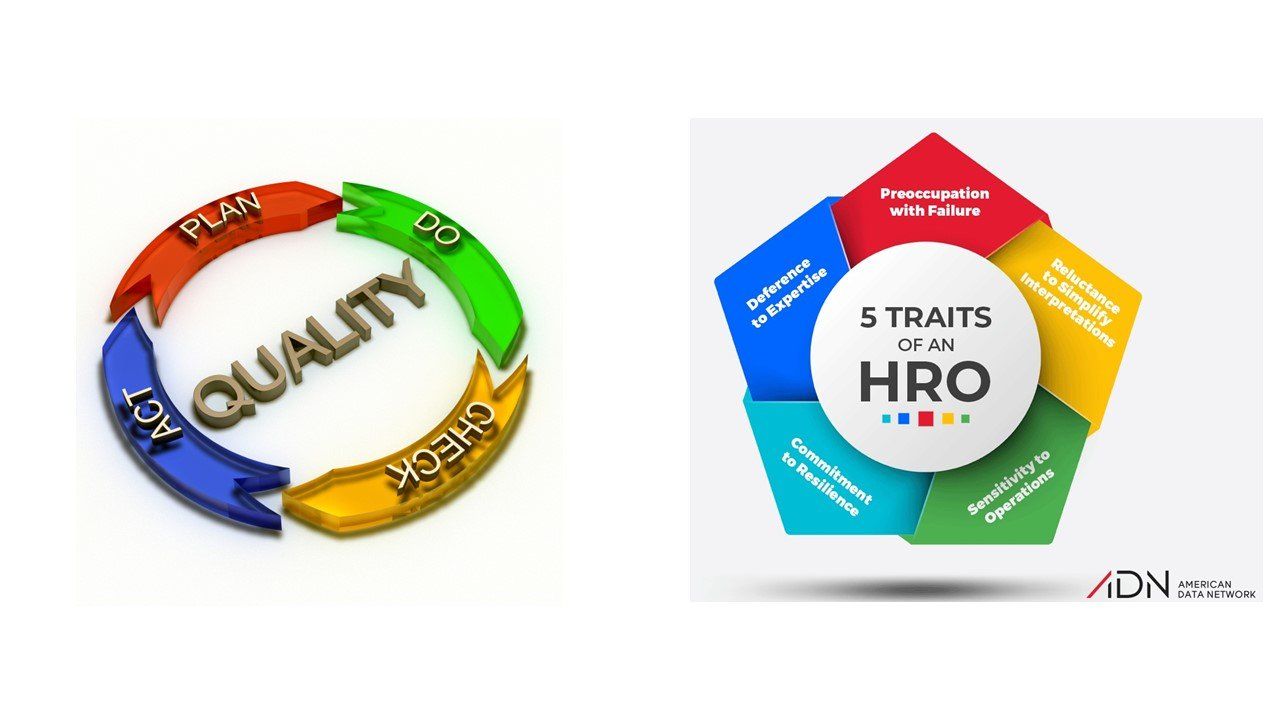
While understanding what it takes to develop a success QAPI Program for your facility is critical, it is not enough to ensure the success of the program itself. As facility-wide performance improvement projects are identified, approved, and analyzed, they are sure to be ineffective in the absence of a culture that holds safety in the highest regard.
Establishing a culture of high reliability is another key component towards achieving organizational performance improvement goals and reducing medical errors. Team members who feel safe to speak out about concerns will help to shed light on safety issues that may otherwise not be brought forward. Educating, empowering, and supporting healthcare personnel is a must. Without establishing a culture of trust, you cannot expect to be successful in improving performance and reducing risk within an organization.
Aside from the immediate metrics being analyzed, a successful QAPI Program will reap additional benefits for organizations who are committed to these facility-wide safety-driven programs. One consideration for improving patient outcomes is that it instills confidence in patients, personnel, communities and partnering organizations. Another consideration is reduction and elimination of incidences of patient harm. There are financial incentives for improved performance outcomes that are vital to maintaining an organization's financial health.
Finally, when an organization supports safe culture, there is a greater likelihood that they will not only attract talented healthcare professionals to join their team but will be able retain them on staff as well eliminating high turnover rates.
While there are many more advantages that can be named, we have highlighted those that we feel are a win-win for all. Take a few minutes to dust off your organizations last QAPI and evaluate if it is well understood and has proven to be effective.
Now is a great time as we approach 2023 to hit the refresh button and re-vitalize your organization’s existing, and potentially, outdated program.
From all of us here at HCE, we would like to say Happy Holidays and stay safe.
References:
https://www.govinfo.gov/content/pkg/CFR-2018-title42-vol5/xml/CFR-2018-title42-vol5-sec482-21.xml
https://www.law.cornell.edu/cfr/text/42/482.21
HCE is Here to Help
Healthcare Consulting Experts LLC was built based upon our understanding of the challenges that all healthcare facilities are facing today. Healthcare professionals strive to deliver the best possible care to all patients. We can help your facility through the difficult times and put you back on track to a less stressful tomorrow.
Don’t take chances! Our experts can assist with regulatory compliance requirements for whether you are building a new, state of the art project or renovating an existing structure. Be sure to visit
Our Website
to see a full list of the services that we provide. Contact us today at +1 (800) 813-7117 for a free initial consultation.
Please join us by clicking on any of the icons below to leave a comment or for more informati
on and updates: