How Safe Are Your Decorations?
Tips and Suggestions for Decorating Your Facility Safely and Within Guidelines
october 2022
By Jody Randall MSN, RN, CIC, HACP-CMS, HACP-PE
CEO and Founder
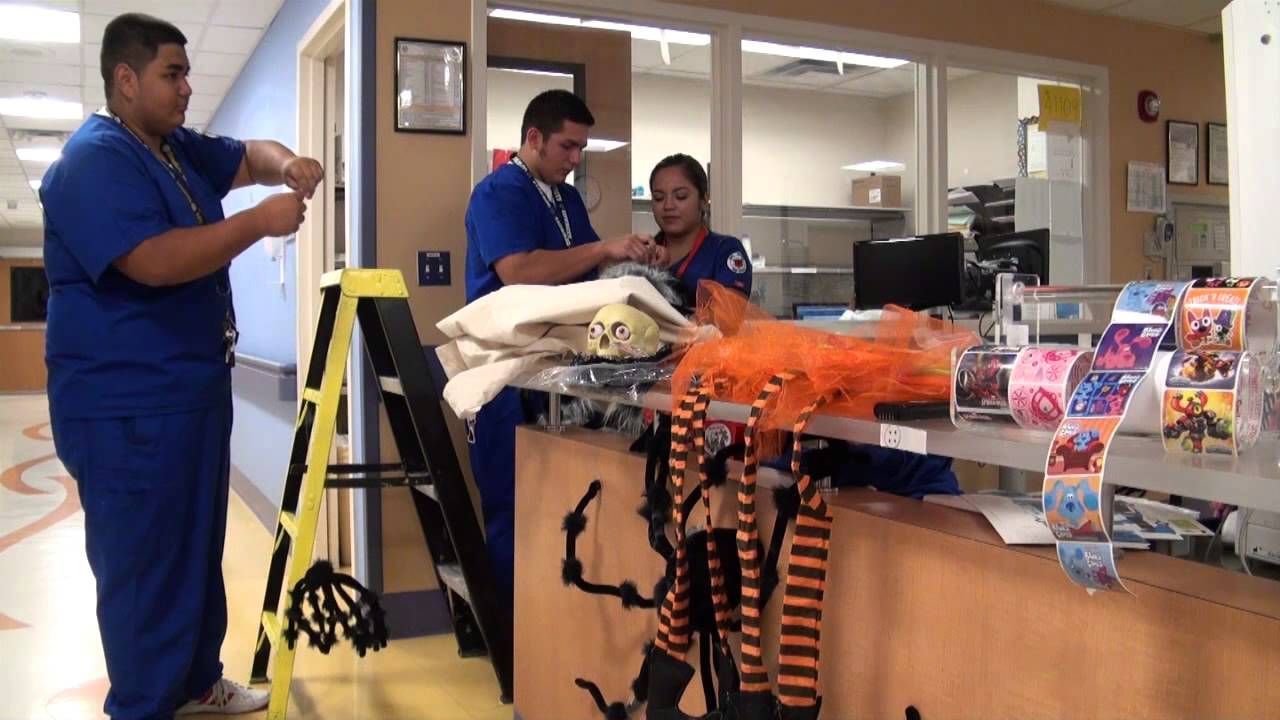
As many across the globe begin to look forward to holiday celebrations, it is important to consider the risks associated with decorating. Although decorating in the healthcare setting is not forbidden, it is important to evaluate decorations for potential safety risks prior to displaying them.
When it comes to celebrating holidays, spirits are high. Many employees like to participate in decorating events and there is a lot to be said about how a change of scenery can significantly boost the morale of patients as well as healthcare providers.
While we love and support the spirit of the holiday season, in our experience there have been many occasions in which we have had to address decorations due to safety risks associated with the type or location of celebratory decorations.
Here are a few tips to keep your facility safe and compliant for any holiday you and your team members choose to celebrate:
- Decorations should not interfere with the ability to open and close doors.
- Combustible decorations should be kept to a minimum
- Keep decorative coverings over windows and doors to a minimum
- Do not hang decorations from sprinkler heads.
- Decorations should be flame resistant. Manufacturer recommendations (MFRs) should be followed if decorations are covered in an approved fire-resistant coating. If re-application of such a material is recommended, the facility must provide documentation that re-application has been done according to the MFR (NFPA 701).
- Decorations shall not exceed 20 percent of the wall, ceiling, and door areas inside any room or space of a smoke compartment that is not protected throughout by an approved automatic sprinkler system.
- Decorations do not exceed 30 percent of the wall, ceiling, and door areas inside any room or space of a smoke compartment that is protected throughout by an approved automatic sprinkler system.
- Decorations do not exceed 50 percent of the wall, ceiling, and door areas inside patient sleeping rooms, having a capacity not exceeding four persons, in a smoke compartment that is protected throughout by an approved supervised automatic sprinkler system.
- The decorations exhibit a heat release rate not exceeding 100 kW when treated in accordance with NFPA 289, Standard Method of Fire Test for Individual Fuel Packages, using the 20-kW ignition source.
- Avoid the use of unapproved electrical power strips.
Education
Additional considerations for decorating should include developing a policy that addresses decoration for your facility. Be sure to incorporate guidance or restrictions based on Life Safety, Environment of Care and NFPA standards. It is always a good idea to include your facilities’ plant ops and bio-med technicians when planning holiday or celebratory decorating. They can provide valuable input on restrictions and identify issues that may lead to potential safety risks in your facility.
From all of us here at HCE, we would like to wish you a happy and healthy holiday season.
References:
NFPA 701, Standard Methods of Fire Tests for Flame Propagation of Textiles and Films. NFPA 289 Standard Method of Fire Test for Individual Fuel Packages
https://www.nfpa.org/codes-and-standards
TJC LS 02.01.10- Building and fire protection features are designed and maintained to minimize the effects of fire, smoke, and heat.
https://www.jointcommission.org/search/#q=02.01.10&t=_Tab_All&sort=relevancy&f:_SitesOrganizations=[The%20Joint%20Commission
HCE is Here to Help
Healthcare Consulting Experts LLC was built based upon our understanding of the challenges that all healthcare facilities are facing today. Healthcare professionals strive to deliver the best possible care to all patients. We can help your facility through the difficult times and put you back on track to a less stressful tomorrow.
Don’t take chances! Our experts can assist with regulatory compliance requirements for whether you are building a new, state of the art project or renovating an existing structure. Be sure to visit
Our Website
to see a full list of the services that we provide. Contact us today at +1 (800) 813-7117 for a free initial consultation.
Please join us by clicking on any of the icons below to leave a comment or for more informati
on and updates: